


 About us
 / section
Careers
Careers / section
News & events
News & events / sectionCountries section
About us
About us / section
Careers
Careers / section
News & events
News & events / sectionCountries section
About us
About us / section
Careers
Careers / section
News & events
News & events / sectionCountries section
About us
About us / section
Careers
Careers / section
News & events
News & events / sectionCountries section


 More results

Driving decarbonization with alternative energy vectors
At Sener, we are committed to the implementation of sustainable fuels as key drivers of the energy transition. These fuels reduce dependence on fossil energy, lower emissions, and create new pathways for decarbonizing sectors that are difficult to electrify. By applying multidisciplinary engineering and innovative technologies, we design and deliver projects that integrate renewable gases, biofuels, e-fuels, hydrogen and ammonia into energy and industrial systems.
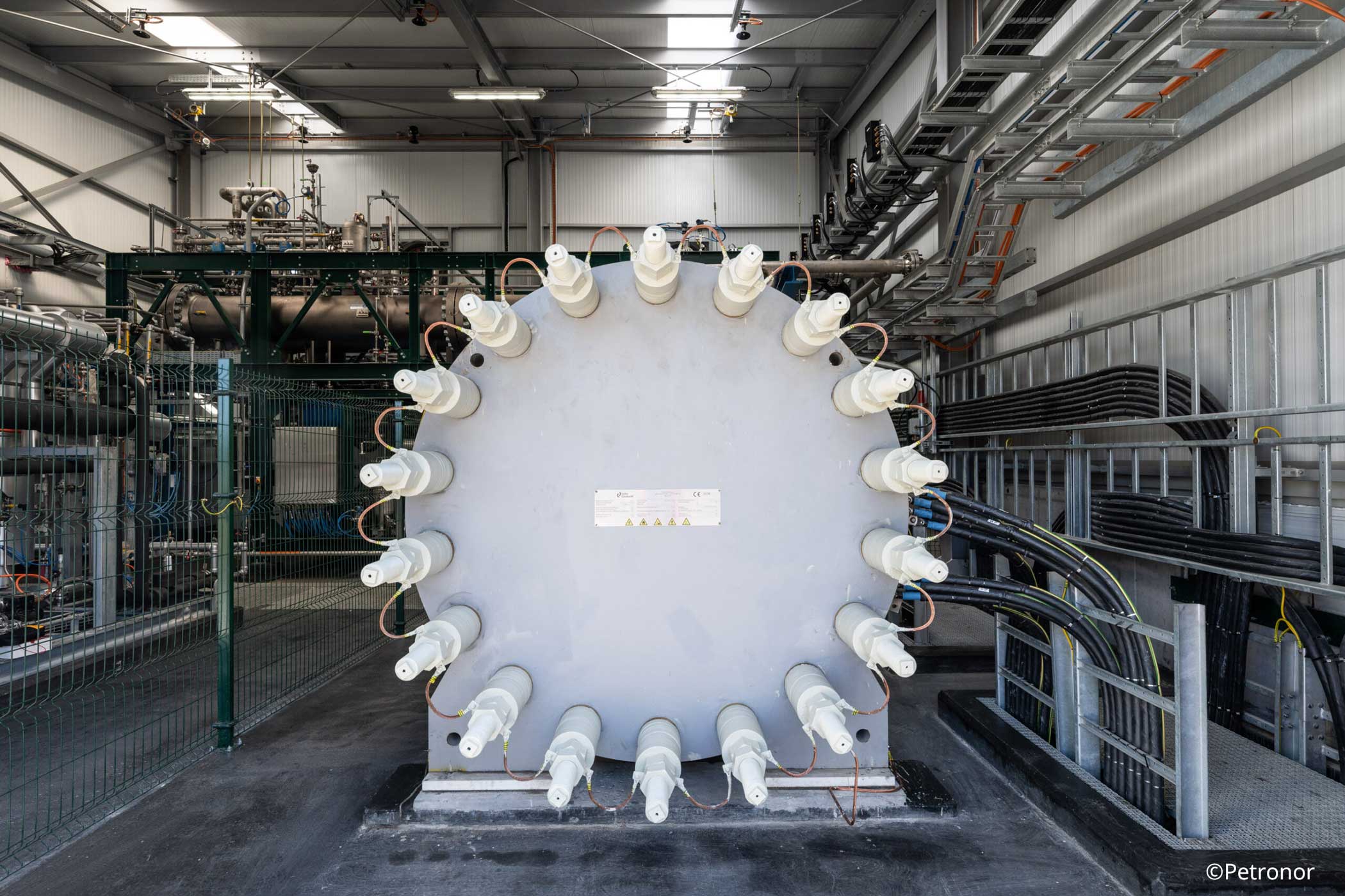
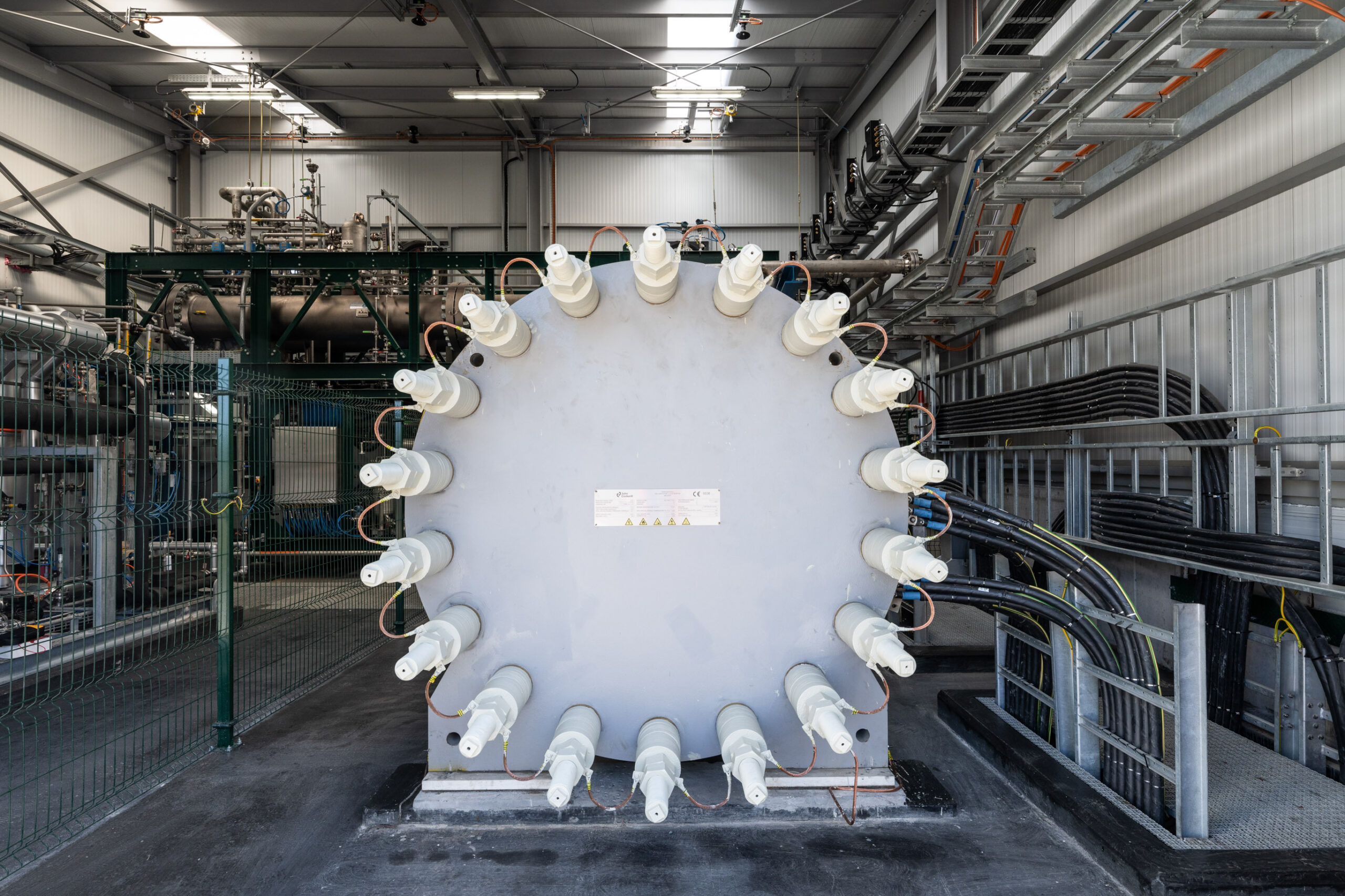
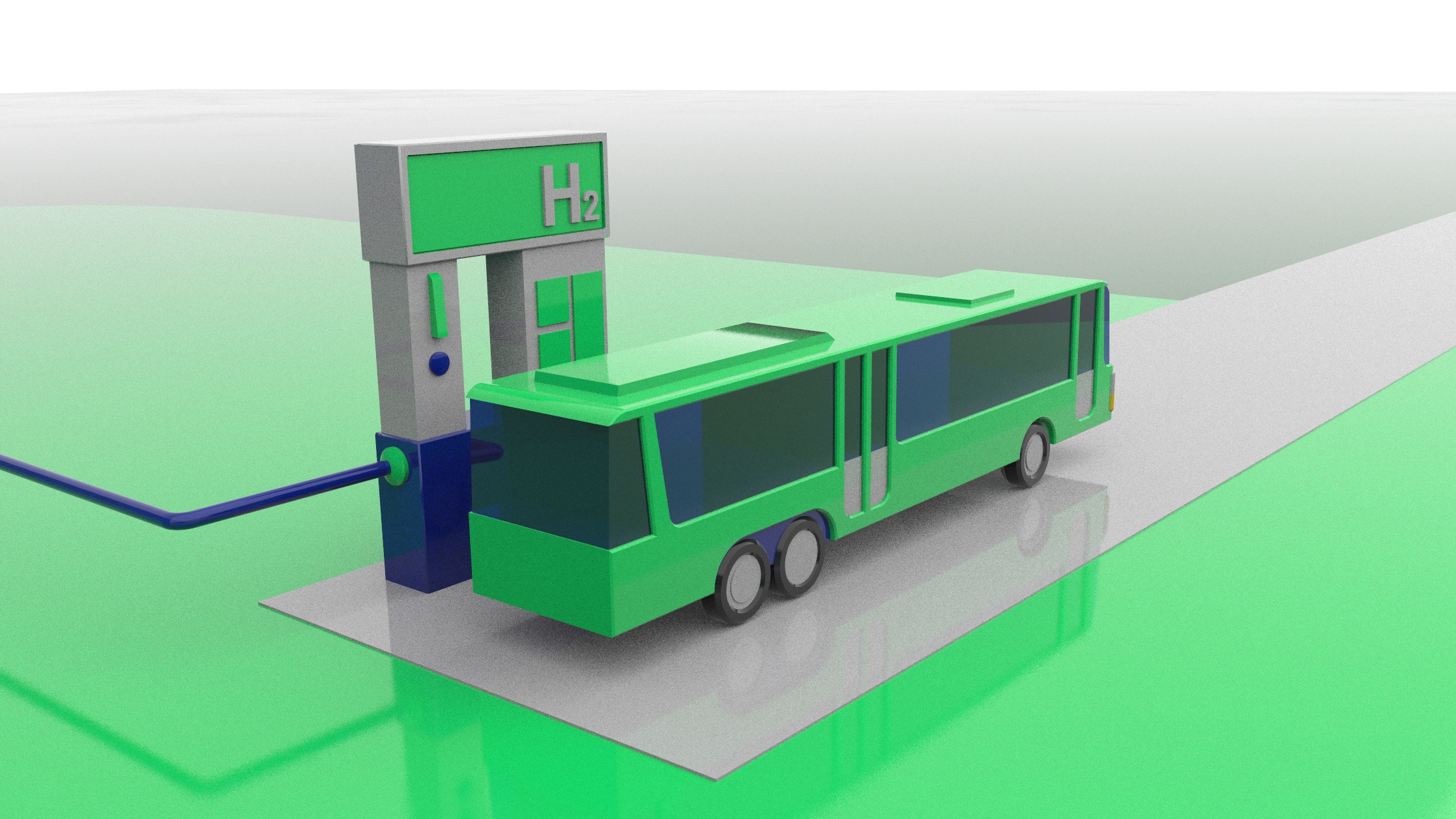
We design facilities for green hydrogen, ammonia, biogas, bio and synthetic fuels, and other renewable energy vectors, integrating the most adequate technologies to ensure that projects are efficient, competitive, and compliant with stringent environmental standards.
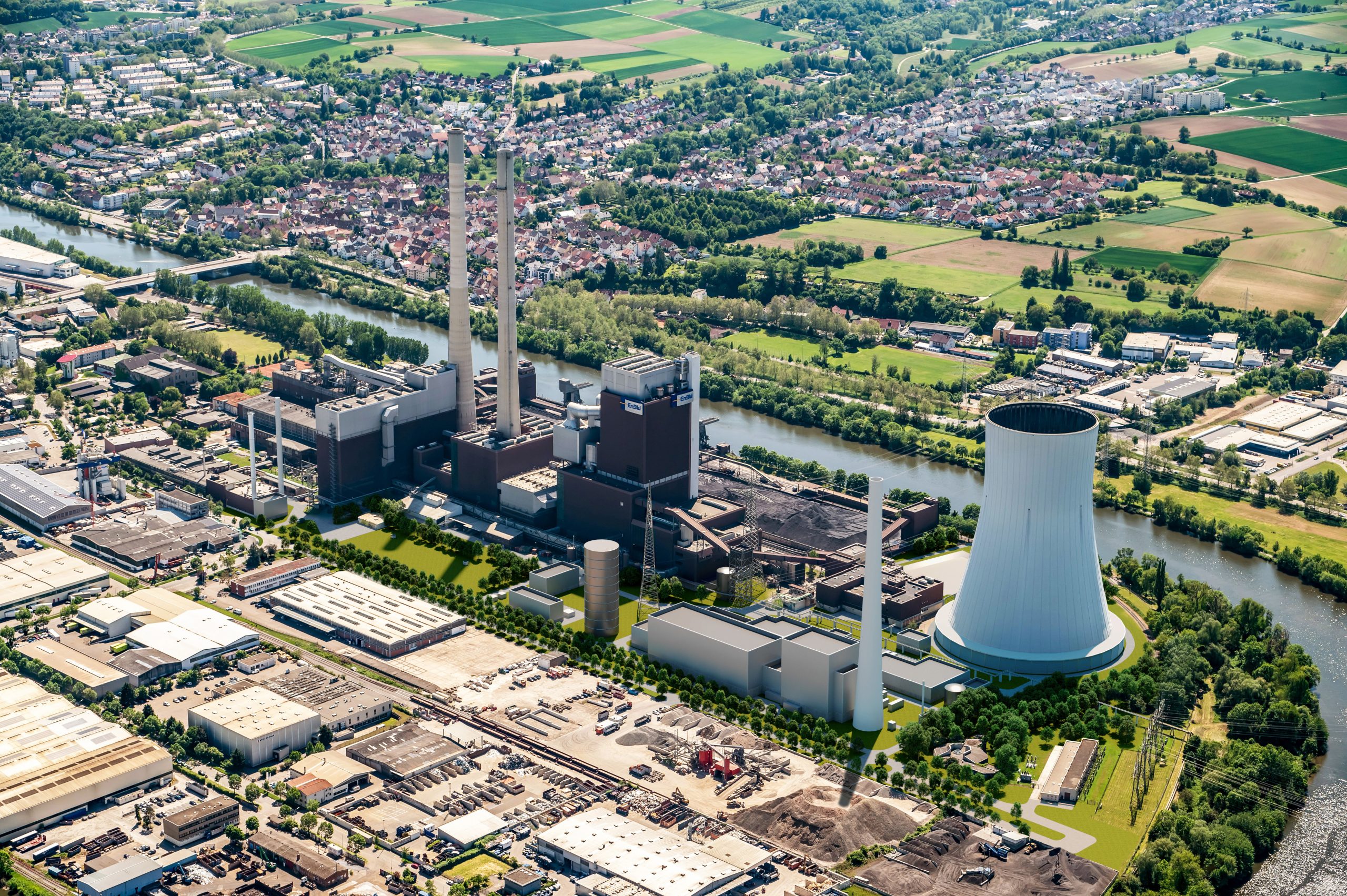
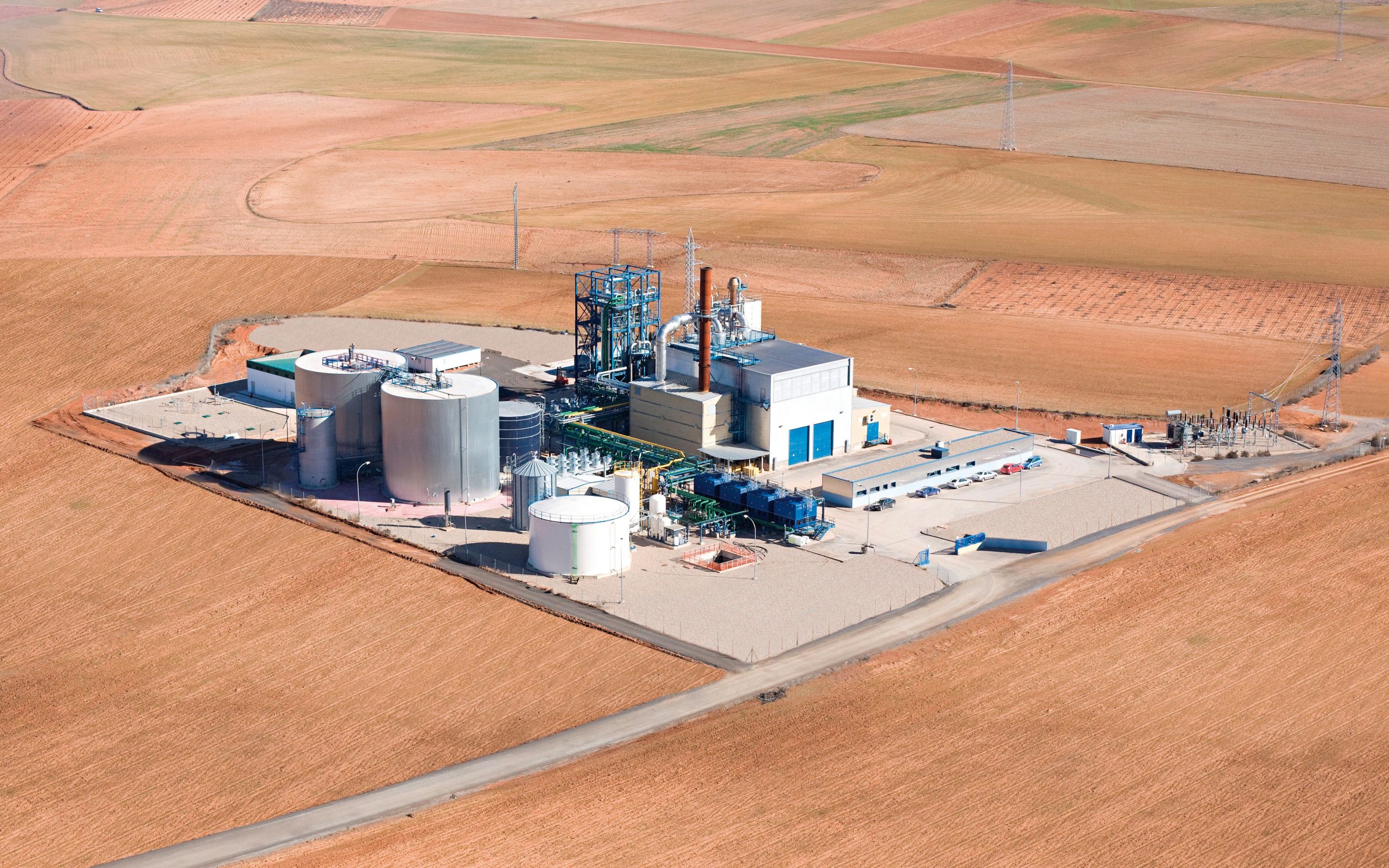
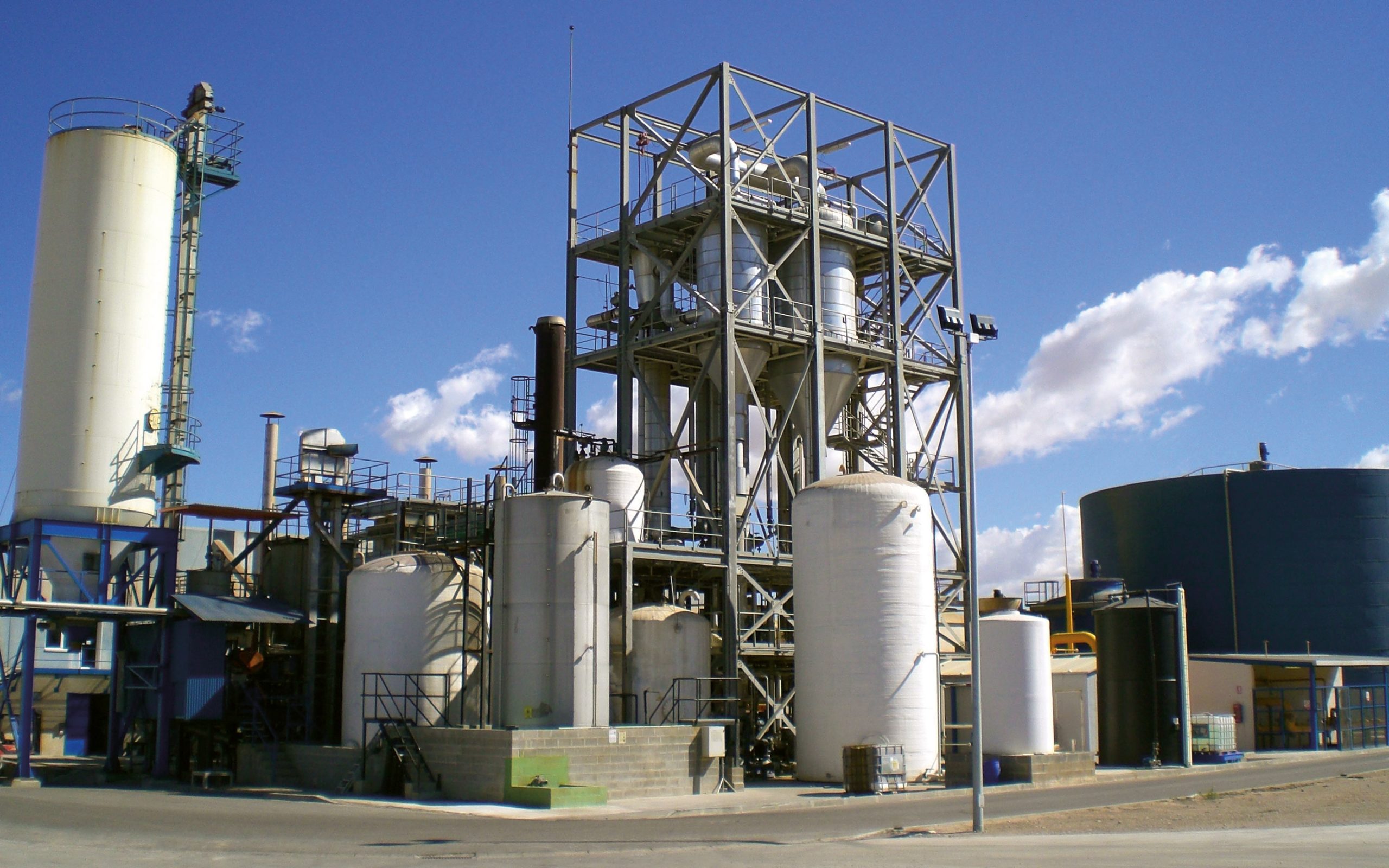
Our engineering goes beyond design—we implement sustainable fuels solutions that are scalable, adaptable, and proven in real markets. Projects such as biogas recovery plants in Spain or hydrogen-ready combined cycle plants in Germany show how we embed future fuels into infrastructures that are already transforming energy landscapes. By aligning innovation with feasibility, we accelerate adoption and deliver tangible climate impact.
Sener is recognised for its ability to integrate advanced technologies into large-scale industrial processes.
We work with the manufacturing sector to strengthen competitiveness and sustainability roadmaps, providing consulting, engineering and execution within a unified framework.
Our expertise in renewable energies, low-carbon fuels and gases, process optimisation and industrial decarbonisation makes us a reliable partner for companies aiming to reduce their reliance on fossil resources while enhancing operational performance.
We apply a structured methodology based on monitoring, optimization, transformation, and management.
In monitoring, we analyze energy demand, available feedstocks, and regulatory conditions.
Optimization involves simulations of different vectors, whether biogas, syngas, hydrogen, or e-fuels, to define the most efficient solution.
Transformation is where design becomes reality: engineering, EPC or EPCm delivery of plants, retrofits, and integration with existing assets. Finally, management ensures that performance is maintained through predictive maintenance, upgrades, and adaptation to new feedstocks or technologies.
Our lifecycle approach ensures that sustainable fuels projects remain competitive and resilient. We embed flexibility for multiple feedstocks, hybrid configurations, and digital monitoring. By preparing assets to evolve with market and regulatory changes, we ensure that industries remain aligned with decarbonization objectives and gain long-term competitiveness.
Our work in sustainable fuels spans consultancy and engineering services, EPC and EPCm delivery, and lifecycle support for production plants, industrial retrofits, and hybrid infrastructures.
At Sener, we engineer sustainable fuels projects that transform renewable resources into clean energy — helping industries cut emissions, enhance competitiveness, and drive the energy transition.